
Navigating the Shifting Sands: German Real Estate Trends and Affordability in 2025 and Beyond
As a seasoned professional with a decade immersed in the intricacies of the real estate market, I’ve witnessed firsthand the cyclical nature of property values, the impact of macroeconomic forces, and the ever-present challenge of housing affordability. The German real estate landscape, in particular, presents a fascinating case study. After a period of significant correction, the market is demonstrating resilience, yet a critical question looms large: can this recovery continue without further alienating aspiring homeowners and exacerbating rental pressures? Based on my analysis and the latest industry projections, the outlook for German home prices through 2028 suggests a steady, albeit concerning, upward trajectory, with significant implications for affordability.
For the past year, the German housing market has been on an undeniable rebound, staging a remarkable recovery from its weakest performance in decades. Property values have ascended by nearly 6% from their nadir in early 2024, signaling a renewed confidence among investors and a gradual easing of the earlier downturn. This revitalization is not merely anecdotal; leading indicators are painting a promising picture. Building permits, often a harbinger of future construction activity, have seen an uptick in 2025 for the first time in four years. This suggests that developers are increasingly optimistic about the market’s potential, translating into a more robust pipeline of new construction projects. This renewed vigor in construction is a crucial component for addressing the underlying supply-demand imbalance that has long plagued the German housing sector.

However, the narrative of recovery is intertwined with a persistent challenge: affordability. Property analysts, through rigorous polling and deep market insights, project that average home prices in Germany are set to climb by approximately 3% annually through 2028. Specifically, forecasts indicate an average price increase of 3.3% in 2026, followed by 3.0% in 2027 and 3.0% in 2028. This consistent, albeit moderate, annual appreciation is expected to outpace general inflation, a trend that will undoubtedly squeeze the purchasing power of many, particularly first-time homebuyers.
This projection aligns closely with previous outlooks, underscoring a persistent market sentiment. It’s a scenario that unfolds even as the European Central Bank maintains a cautious stance on interest rates. While a series of rate cuts earlier had provided a much-needed stimulus to the housing market, the current economic climate, marked by potential inflation risks stemming from geopolitical tensions, has tempered expectations of further easing. In fact, the probability of an interest rate hike has subtly increased, adding another layer of complexity for both buyers and sellers navigating the market.
The broader economic environment plays an indispensable role in shaping these real estate trends. As Carsten Brzeski, global head of macroeconomics at ING, aptly observes, “The market’s recovery is likely to continue but remains shaky. Consumers remain cautious given high levels of uncertainty both for geopolitics but also domestic policies, the rise in unemployment and slowing wage growth.” This sentiment of cautious optimism is palpable. While the momentum of recovery is present, external factors and domestic economic headwinds cast a shadow. Consumers are understandably hesitant, their decisions influenced by the confluence of global instability, evolving domestic policies, a rising unemployment rate, and the deceleration of wage growth. These factors collectively contribute to a sense of economic uncertainty that inevitably impacts consumer confidence and, by extension, their willingness to make significant financial commitments like purchasing a home.
The affordability concern is not merely a theoretical construct; it is a pressing reality for a growing segment of the population. The overwhelming consensus among market experts is that properties will become progressively less affordable for first-time buyers in the coming year. This trend is particularly concerning as it risks further increasing the average age of individuals entering the homeownership market. In a competitive market like Germany, where securing a mortgage and accumulating a sufficient down payment are significant hurdles, this trend can perpetuate a cycle of rental dependency for younger generations.
The Persistent Pressure of Housing Shortages
At the heart of the affordability challenge lies the persistent deficit in housing supply. Despite the positive signals from building permits, the sheer volume of new homes being constructed falls considerably short of the nation’s needs. Industry reports indicate that just over 200,000 new homes are likely to be built this year. This figure stands in stark contrast to the estimated requirement of 320,000 new homes annually by 2030, a target established by a study commissioned by the German housing ministry. This substantial shortfall creates a fundamental imbalance, where demand consistently outstrips supply, a classic recipe for escalating property prices and rental costs.
The impact of this housing shortage is particularly acute in urban centers. Vacancy rates in some metropolitan areas have plummeted to below 1%, a clear indicator of intense demand. This scarcity drives up not only property prices but also rental rates. Analysts at LBBW highlight this critical issue, stating, “Vacancy rates for apartments in some metropolitan areas are falling below 1%, while demand remains strong. In larger cities, only just over 50% of the required apartments are being completed.” The stark reality is that a significant easing of the housing situation is not anticipated for several years, meaning that the pressures on both the sales and rental markets will continue unabated.
This scenario has significant implications for various market segments. For real estate investors Germany, the rising prices, while indicative of a healthy market, also necessitate a careful assessment of yield potential and risk. The demand for rental properties Germany remains exceptionally strong, offering consistent income streams for landlords. However, the increasing cost of acquiring new properties might deter some investors, leading to a focus on existing portfolios or alternative investment strategies.
For those looking for apartments for sale Germany, the market presents a dual challenge: finding available properties and affording them. The competition for desirable homes will likely remain fierce, and buyers will need to be prepared for potentially bidding wars. This is where understanding mortgage rates Germany and securing pre-approval becomes paramount. Navigating these complexities requires a strategic approach and a clear understanding of one’s financial capacity.
The rise in home prices and rents also brings the topic of affordable housing Germany into sharper focus. Policy discussions around increasing construction, incentivizing development, and potentially exploring innovative housing solutions will become even more critical. The government’s role in addressing the German housing crisis is paramount, with initiatives aimed at boosting supply and ensuring that homeownership remains an attainable goal for a broader segment of the population.
High-CPC Keywords and Strategic Considerations:
In a market as dynamic as Germany’s, understanding high-CPC (Cost Per Click) keywords can offer valuable insights for both industry professionals and consumers. Keywords such as “buy property Germany investment,” “German real estate market forecast,” and “luxury homes Germany price” often attract serious buyers and investors who are willing to spend. Understanding the search intent behind these keywords is crucial. Investors are looking for strong returns, while those seeking luxury properties are prioritizing location, amenities, and lifestyle.
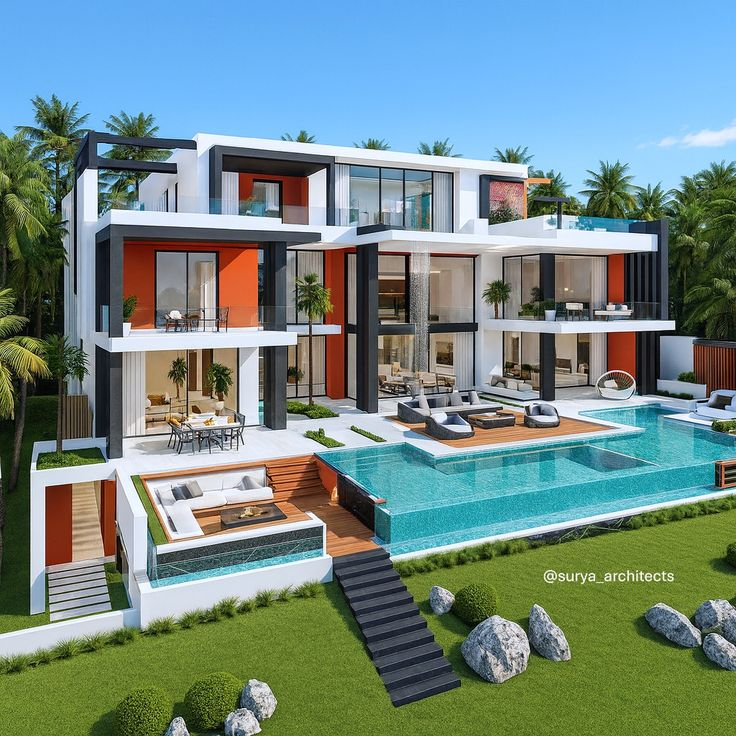
For those considering property investment Frankfurt or real estate opportunities Berlin, understanding local market dynamics is essential. These major economic hubs often experience distinct trends compared to the national average. Factors such as job growth, infrastructure development, and local housing policies can significantly influence property values in these specific cities.
The rising cost of living and German property prices 2025 trends also bring into play keywords like “first-time buyer mortgage Germany” and “rental yield calculation Germany.” These terms indicate a strong user intent to understand the financial mechanisms and profitability associated with the German real estate market. A clear explanation of how interest rates, down payments, and rental income contribute to overall financial outcomes is vital.
Strategies for Navigating the Market:
Given these trends, both prospective buyers and seasoned investors need to adopt strategic approaches.
For First-Time Homebuyers Germany:
Financial Preparedness: Thoroughly assess your financial situation, including income, savings, and creditworthiness. Understand your borrowing capacity and explore various mortgage options Germany.
Patience and Persistence: The market is competitive. Be prepared to search diligently and potentially compromise on some non-essential features to secure a property within your budget.
Explore Emerging Areas: While prime city locations remain desirable, consider up-and-coming neighborhoods that offer greater affordability and potential for future appreciation.
Seek Expert Guidance: Engage with trusted real estate agents and mortgage brokers who have a deep understanding of the local market and can guide you through the process.
For Real Estate Investors Germany:
Long-Term Perspective: Focus on the long-term growth potential of the German market, particularly in areas with strong economic fundamentals and a persistent housing shortage.
Diversification: Consider diversifying your portfolio across different property types (residential, commercial) and geographic locations to mitigate risk.
Rental Yield Optimization: For rental properties, focus on maximizing rental income through competitive pricing, efficient property management, and understanding tenant demand.
Stay Informed: Continuously monitor market trends, economic indicators, and policy changes that could impact the real estate sector.
The Road Ahead:
The German real estate market, while resilient, faces a complex interplay of recovering prices and persistent affordability challenges. The projected annual price increases through 2028 suggest that the dream of homeownership will continue to be a stretch for many, particularly younger generations. The ongoing housing shortage remains a critical factor, necessitating increased construction and innovative solutions.
As an industry expert, my advice is clear: understanding these trends is not just about staying informed; it’s about making informed decisions. Whether you’re a first-time buyer looking to plant roots or an investor seeking to capitalize on market opportunities, a strategic and well-researched approach is paramount. The German property market is evolving, and those who adapt to its nuances will be best positioned for success.
Considering your next move in the German real estate market? Whether you’re looking to buy your first home, invest in a promising property, or simply understand the evolving landscape, now is the time to seek expert guidance. Contact a qualified real estate professional today to discuss your specific goals and discover how to navigate these dynamic market conditions effectively.