Decoding Miami’s Resilient Real Estate Landscape: An Expert’s 2026 Outlook

For a decade, I’ve navigated the intricate currents of the South Florida property market, and what I consistently observe is a distinctive resilience that sets Miami real estate apart. While headlines elsewhere might hint at market cooling or recalibration, Miami continues to defy conventional wisdom, propelled by robust fundamentals that suggest not a speculative bubble, but rather a mature, evolving market. As we approach 2026, my assessment remains steadfast: Miami is consolidating its position as a premier global destination for both living and investment, sustained by an unparalleled combination of factors.
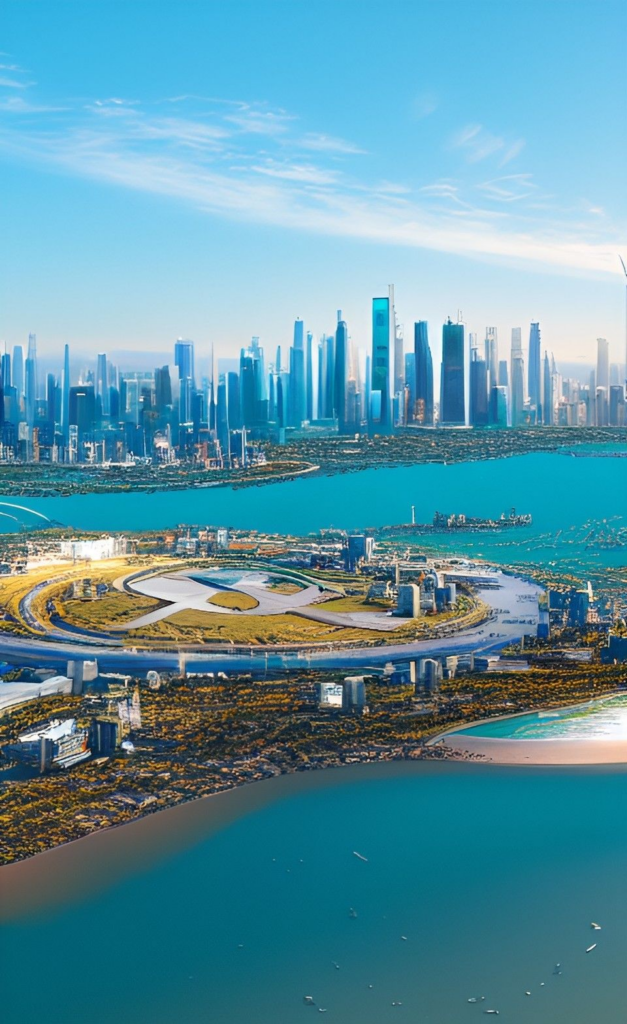
The allure of Miami real estate isn’t a new phenomenon, but its current trajectory is fundamentally different from past cycles. We’re witnessing a profound maturation, shifting from a primarily tourism and seasonal hub to a legitimate global financial and innovation nexus. This evolution attracts a sophisticated class of resident and investor, fundamentally reshaping demand dynamics and investment profiles.
The Unshakeable Pillars: Why Miami’s Foundation is Solid
From my vantage point on the ground, several core pillars underpin the strength of the Miami real estate market. These aren’t transient trends but deep-seated structural advantages that will continue to drive value in the foreseeable future.
The Cash-Fueled Engine: Mitigating Risk, Boosting Stability
Perhaps the most significant differentiator for Miami real estate is the prevalence of cash transactions. Current data, echoing sentiments from my early career, consistently shows Miami boasting one of the highest proportions of cash buyers in the nation – often exceeding 40% of all transactions. This isn’t just a statistic; it’s a fundamental risk mitigator.
Bubbles, by their very nature, are inflated by excessive leverage. When a significant portion of the market is transacting in cash, the exposure to interest rate fluctuations, mortgage defaults, and economic downturns is dramatically reduced. These are typically high-net-worth individuals or institutions making strategic investments, often seeking to diversify their wealth portfolios. Their capital isn’t tied to the whims of lending markets, providing an intrinsic stability that insulates the market from the volatility seen in highly leveraged environments. This isn’t to say prices are immune to any adjustment, but the risk of a catastrophic collapse is profoundly diminished when such a large segment of assets is owned outright. For those seeking luxury real estate investment opportunities, this cash liquidity often means swift, decisive transactions and a focus on long-term appreciation rather than short-term speculative gains.
The Persistent Supply-Demand Imbalance: A Seller’s Edge
Another critical factor sustaining the upward pressure on Miami real estate values is the persistent limitation of inventory. Despite robust construction activity, particularly in the high-rise condo market, the overall supply simply hasn’t kept pace with escalating demand. Miami-Dade County, with its unique geographical constraints of the Everglades to the west and the Atlantic Ocean to the east, naturally restricts sprawl and available buildable land.
This scarcity creates a perpetual seller’s market, especially for well-located, quality properties. Developers face increasing challenges with land acquisition costs, regulatory hurdles, and rising construction expenses, all of which contribute to higher entry points for new inventory. This dynamic implies that even with a potential cooling in demand, the inherent shortage of desirable properties will continue to prop up prices. We’ve seen only minimal monthly price declines for single-family homes over more than a decade, a testament to this enduring imbalance. This creates fertile ground for sustained appreciation and makes South Florida investment properties particularly attractive for long-term holders.
The Great Migration: Talent, Capital, and Lifestyle Converge
The ongoing influx of residents to South Florida is not merely a transient phenomenon; it’s a structural demographic shift that continues to fuel Miami real estate growth. This migration comes from multiple fronts:
Domestic Relocation: High-tax states, particularly in the Northeast and West Coast, continue to see an exodus of individuals and businesses drawn to Florida’s favorable tax environment (no state income tax), business-friendly regulations, and appealing lifestyle. This includes a significant number of high-net-worth individuals, tech entrepreneurs, and financial professionals seeking a more predictable fiscal landscape. The allure of Miami for wealth management Miami services is a clear indicator of this trend.
Retiring Baby Boomers: Florida has always been a magnet for retirees, and the sheer volume of aging baby boomers entering their golden years continues to drive demand for homes and condos in the region.
Job Growth and Economic Diversification: Miami-Fort Lauderdale-West Palm Beach consistently ranks among the top U.S. metros for qualified job growth. The city’s aggressive push to become a financial and tech hub is yielding significant results, attracting major corporations, venture capital firms, and burgeoning startups. This creates a robust job market, drawing in a younger, affluent demographic that seeks permanent residency and drives demand for both residential and commercial real estate. From downtown Miami apartments to luxury Miami condos, the spectrum of residential properties is seeing sustained interest.
This multifaceted migration isn’t just about bodies; it’s about the infusion of capital, talent, and diverse economic activity that underpins sustainable growth in the Miami housing market.
The International Investor Magnet: Global Confidence in Miami
For decades, Miami real estate has been a safe harbor for international capital, particularly from Latin America. This trend has not only continued but has diversified. Investors from Europe, Canada, and increasingly, Asia, view Miami as a stable, transparent, and growth-oriented market. They are attracted by:
Dollar Denominated Assets: The stability of the U.S. dollar, especially in times of global economic uncertainty, makes dollar-denominated assets in Miami an attractive proposition for protecting and growing wealth.
Gateway to the Americas: Miami’s strategic geographic location makes it a natural gateway for business and cultural exchange between North and South America. This fosters an environment of international commerce that benefits all sectors, including real estate.
Lifestyle and Cultural Vibrancy: Beyond investment metrics, Miami offers an unparalleled lifestyle, rich cultural diversity, and world-class amenities. This “quality of life” factor is a powerful draw for global elites looking for a second home or a place to relocate.
These international buyers often operate with substantial cash reserves, further reinforcing the market’s stability and insulating it from localized economic shifts. Their continued interest is a strong vote of confidence in Miami’s long-term prospects as a global city.
Addressing the “Bubble” Narrative: A Nuanced Perspective
The term “bubble risk” frequently surfaces in conversations about rapidly appreciating markets. While some reports, like a notable UBS analysis, have placed Miami high on global risk indexes, it’s crucial to understand the limitations of such generalized metrics when applied to a unique market like Miami.
Traditional price-to-income ratios, for instance, are often cited as a key indicator of affordability and potential bubble formation. However, this metric falls short in Miami for a very simple reason: a substantial portion of the population, particularly in the high-end residential market, derives their income from sources outside Miami, whether it’s international business ventures, remote work for out-of-state companies, or inherited wealth. Their purchasing power is not constrained by local income levels, rendering the price-to-income ratio less relevant for this segment.
Moreover, the low percentage of distressed sales—barely 1% of total transactions—is a stark contrast to markets experiencing speculative downturns. When combined with the high volume of cash transactions, it paints a picture of a fundamentally healthy, not overleveraged, market. The fact that premium segment transactions (properties over $1 million) are increasing, often by double digits, further underscores strong demand from affluent buyers.
What some perceive as an overheated market, I view as a market that has “matured enormously.” It’s shedding its historical boom-and-bust image and evolving into a sophisticated global metropolis. A minor correction of 5-10% is always possible in any dynamic market, especially given the rapid appreciation, but this would be a healthy rebalancing, not a “bursting bubble.” It would likely present attractive entry points for shrewd investors rather than signaling systemic collapse.
Looking Ahead: 2026 Trends and Investment Opportunities
As we peer into 2026, the trajectory for Miami real estate remains strong, though specific nuances will shape opportunities.
Continued Diversification of the Economy
Miami’s concerted effort to attract technology firms, financial institutions, and even major corporations beyond its traditional tourism base is a game-changer. We’re seeing major players relocating significant operations, creating high-paying jobs and a multiplier effect across the local economy. This diversification makes the market less susceptible to single-industry downturns and provides a stable foundation for long-term growth in both residential and commercial real estate Miami. The demand for sophisticated office spaces and innovation hubs will only intensify.
The Rental Market: A Strategic Play
Given the sustained elevated purchase prices and the ongoing housing shortage (estimated at nearly 2.8 million units nationwide, requiring a decade to resolve), the rental segment presents a compelling opportunity. For investors, the “housing for lease” category offers robust returns and a reliable income stream. As more individuals and families migrate to Miami, many will opt for renting initially, or permanently, as they acclimate or simply prefer the flexibility. This makes Miami property management an increasingly vital service for owners seeking to capitalize on this consistent demand. Strategic investments in multi-family dwellings or single-family rentals in high-demand areas like Fort Lauderdale investment property or specific Miami neighborhoods could yield significant returns.
Focus on Resilience and Sustainability
With increasing awareness of climate change, investments in resilient infrastructure and sustainable building practices will become paramount. Properties that are built to higher standards, incorporate green technologies, and are situated in less vulnerable areas will command a premium. This trend is not just environmental but also financial, as insurance costs and long-term property values will be influenced by these factors. Real estate consulting Miami firms are already advising clients on these critical aspects for future-proofing investments.
Infrastructure Development and Connectivity
Continued investment in transportation infrastructure, public amenities, and improved connectivity will further enhance Miami’s attractiveness. From expanded public transit options to smart city initiatives, these developments will improve the quality of life for residents and bolster the appeal for businesses. Areas undergoing significant infrastructural upgrades, such as portions of West Palm Beach luxury homes markets or burgeoning neighborhoods in Miami-Dade, could see accelerated appreciation.
Digital Nomad and Hybrid Work Impact
The lasting legacy of the pandemic, the rise of the digital nomad, and the widespread adoption of hybrid work models continue to impact Miami real estate. Professionals who can work from anywhere are increasingly choosing Miami for its lifestyle, climate, and vibrant social scene. This sustains demand for both primary residences and second homes, reinforcing the need for flexible living and working spaces.
Conclusion: Miami’s Enduring Appeal
After a decade witnessing its evolution, my firm belief is that Miami real estate is not merely riding a wave; it’s navigating a sustained period of strategic growth and maturation. The unique confluence of cash-rich buyers, limited inventory, robust migration, and unwavering international investor confidence creates a market dynamic unlike any other. While prudence is always advisable, dismissing Miami as a “bubble” risks overlooking the fundamental, structural strengths that underpin its enduring appeal. The city has cemented its status as a global hub, offering a compelling blend of economic opportunity, cultural richness, and unparalleled lifestyle.
For savvy investors and discerning homeowners, Miami represents not just a purchase, but a long-term stake in a truly global city on an upward trajectory. If you’re looking to understand the nuanced opportunities within this dynamic market, or ready to explore your next real estate investment Miami, I invite you to connect with an experienced local expert. Let’s discuss how your goals align with the future of this vibrant landscape.