Miami Real Estate Market: Debunking the Bubble Myth and Unpacking 2026’s Strategic Opportunities

In my ten years navigating the intricate currents of the South Florida property landscape, I’ve witnessed market cycles ebb and flow, predictions soar and crash. Yet, one constant remains: the persistent fascination—and frequent misunderstanding—surrounding the Miami real estate market. Today, as we approach 2026, the narrative often oscillates between “unstoppable boom” and “imminent bubble.” From my vantage point as an industry expert, I’m here to offer a nuanced, data-driven perspective that cuts through the noise. Miami isn’t just a resilient market; it’s a maturing global economic powerhouse, underpinned by fundamentals that defy conventional bubble indicators and present exceptional long-term investment opportunities.
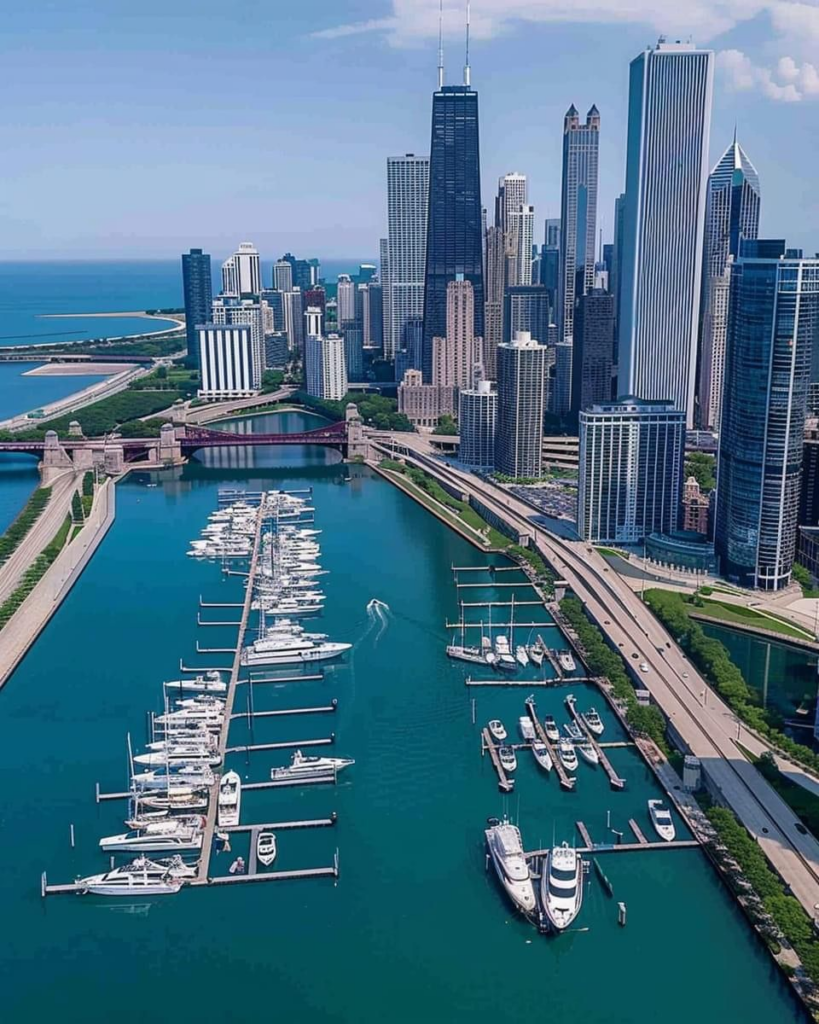
The core of this discussion isn’t about whether Miami prices are high—they demonstrably are. It’s about why they are high and whether that growth is sustainable. My experience dictates that bubbles are inflated by speculative debt, not by robust capital inflows and genuine demand. The Miami real estate market, particularly in prime areas like Miami-Dade County, consistently demonstrates characteristics that set it apart from typical overheated markets. We’re talking about a unique confluence of high cash transactions, severely limited inventory, relentless domestic migration, and unwavering international investor confidence. These are not the hallmarks of an unstable environment; they are the pillars of a market poised for continued, albeit potentially more moderated, appreciation.
The Unshakeable Pillars: Why Miami’s Growth Is Different
When examining the health of any housing market, the first place I look is at transaction leverage. In the Miami real estate market, an astounding proportion of sales are conducted in cash. Recent data from the Miami Association of Realtors indicates that well over 40% of transactions are all-cash, a figure significantly higher than the national average. This isn’t just a statistic; it’s a fundamental bulwark against volatility. When buyers aren’t heavily reliant on financing, they are less susceptible to interest rate fluctuations, economic downturns, or credit tightening. This high equity saturation drastically reduces systemic risk, making the Miami real estate market exceptionally stable even amidst global economic headwinds. For those seeking real estate investment Miami, this fact alone should instill confidence.
Compounding this cash-rich environment is the ongoing challenge of inventory. Despite robust construction activity, the supply of available properties in Miami-Dade County remains stubbornly low, particularly compared to pre-pandemic levels. We are operating in a persistent seller’s market where demand consistently outstrips supply. This imbalance is a primary driver of price appreciation and, importantly, helps insulate values from sharp declines. Developers of luxury homes for sale Miami and even mid-market projects face ongoing hurdles, from labor shortages to escalating material costs, which naturally constrain the pace of new inventory coming online. This structural shortage, a nationwide issue as highlighted by various economic reports, is particularly acute in desirable coastal markets like Miami, contributing to the enduring strength of the Miami real estate market.
Then there’s the migration story, a phenomenon I’ve observed accelerating over the past several years. South Florida continues to be a magnet for both domestic and international residents. The allure isn’t just sun and sand; it’s a compelling blend of a favorable tax climate, robust job growth, and an increasingly diversified economy. Businesses, particularly in the tech and finance sectors, have been relocating or expanding their operations to Miami, bringing with them a wave of high-earning professionals. This influx, coupled with the ongoing trend of retiring Baby Boomers seeking a vibrant and amenity-rich lifestyle, fuels consistent demand across all segments of the Miami housing market. This sustained demographic shift provides a bedrock of organic growth that is far more durable than transient speculative interest.
Finally, we cannot overstate the impact of international investors. Miami has long been a global gateway city, attracting capital from Latin America, Europe, and beyond. These investors, often seeking wealth preservation, portfolio diversification, or a safe haven for capital, view Miami real estate as a prime asset. The city’s growing status as a financial hub and its predictable regulatory environment further cement its appeal. Whether it’s Miami condo sales to South American families or significant commercial property acquisitions by European funds, this consistent influx of foreign capital provides an additional layer of stability and demand that is unique to this particular market. Understanding these macro trends is crucial for anyone considering investment property Miami.
Deconstructing the “Bubble” Narrative: A Data-Driven Perspective
It’s tempting to look at rapidly rising prices and immediately cry “bubble.” Indeed, a recent UBS report did place Miami high on its global real estate bubble risk index. However, with ten years of boots-on-the-ground experience, I find such broad-stroke analyses often fail to capture the granular reality of a market as complex as Miami’s. The primary metric cited, the price-to-income ratio, simply doesn’t tell the full story here.
The fundamental flaw in applying a traditional price-to-income ratio to Miami is its assumption of locally derived income supporting local housing costs. This is a critical misstep. A significant portion of Miami’s buying power comes from individuals and entities whose income is generated outside of South Florida—from other states with higher tax burdens, from international businesses, or from accumulated wealth. These are not typically first-time homebuyers struggling to qualify for a mortgage based on a local salary; these are sophisticated buyers and high-net-worth investors with substantial capital. When these external income streams are factored in, the perceived affordability crisis, as indicated by a raw price-to-income metric, begins to look very different. The Miami real estate market simply operates under different financial rules than many other U.S. cities.
As Ana Bozovic, a respected figure in Miami real estate analytics, aptly points out, “bubbles are fueled by debt, not by cash.” This observation is paramount. When over 70% of apartment sales above one million dollars are cash transactions, as they were in a recent period, we are seeing exceptionally high levels of capital entering the market, not excessive leverage. Furthermore, distressed sales—foreclosures and short sales—which are typical indicators of an unhealthy, over-leveraged market, account for barely 1% of total transactions. This low distressed inventory is another powerful argument against the bubble hypothesis and points to the underlying strength of the Miami real estate market.
Looking at recent performance, September 2025 marked one of the strongest months of the year for Miami real estate, with total sales rising 5% year-over-year. The premium segment—properties valued over one million dollars—saw an even more impressive 20% increase in transactions, pushing total sales volume up by 11%. These figures aren’t indicative of a market teetering on the brink; they reflect sustained and targeted demand, particularly in the luxury real estate Miami sector. While some anticipate a minor correction, perhaps a 5-10% adjustment, even seasoned professionals like Alfredo Pujol from Compass Real Estate agree these are healthy market recalibrations, not bubble bursts. The underlying demand, especially from Latin American investors who comprise nearly half of the market, remains robust.
Miami’s Evolution: From Tourist Hotspot to Global Hub
My decade in this industry has given me a front-row seat to Miami’s profound metamorphosis. Once primarily known as a vacation destination and a retirement haven, the city has strategically repositioned itself as a formidable global financial and technology hub. This isn’t just marketing hype; it’s a tangible transformation driven by proactive government policies, significant infrastructure investments, and a growing ecosystem of support services that rival established financial centers. This evolution has profound implications for the Miami real estate market.
The influx of major financial institutions, hedge funds, and private equity firms relocating or expanding their operations from traditional hubs like New York and Chicago has reshaped the local economy. These corporations bring high-paying jobs, attracting a skilled workforce that, in turn, fuels demand for both residential and commercial real estate Miami. Tech startups are also finding Miami an attractive alternative, drawn by its burgeoning talent pool, supportive environment, and connectivity to Latin America. This diversification away from a tourism-dependent economy makes the Miami real estate market far more resilient to sector-specific downturns.
For real estate developers Miami, this shift means new opportunities in office spaces, mixed-use developments, and specialized residential projects catering to a sophisticated, affluent demographic. We’re seeing a rise in demand for luxury condos Miami in areas like Brickell and Edgewater, not just as second homes, but as primary residences for professionals who work in the area. This fundamentally alters the profile of the typical Miami resident and investor. The “brain drain” of the past has reversed, replaced by a “brain gain” that is vital for long-term economic prosperity and sustainable property value appreciation. This narrative is further reinforced by Lightcast’s 2025 talent-attraction scorecard, which ranked Miami-Fort Lauderdale-West Palm Beach third in the U.S. for qualified job growth—a clear indicator of the region’s burgeoning economic vitality.
The Supply-Demand Imbalance: A National Challenge Amplified in Miami
While Miami’s unique attributes offer strong safeguards, it’s also important to acknowledge that it operates within a broader national context. A recent JP Morgan Private Bank report, “Shortage in Supply: Understanding the Housing Market,” estimates an accumulated housing shortage of roughly 2.8 million units across the U.S. and suggests it could take nearly a decade to meaningfully reduce this deficit. This national shortage exerts upward pressure on prices everywhere, and the Miami real estate market is no exception—in fact, its unique desirability amplifies the effect.
In Miami-Dade specifically, total inventory currently stands significantly lower than pre-pandemic levels. This persistent gap between the number of available homes and the sheer volume of buyers means that competition remains fierce, and price growth, while potentially moderating, is unlikely to reverse course dramatically. This environment presents both challenges and opportunities. For potential homebuyers, the competitive landscape can be frustrating. However, for real estate investors Miami, particularly those with a long-term horizon, this supply constraint is a powerful indicator of sustained value.
The limited availability of land for new construction in an already densely populated coastal area further exacerbates the supply issue. Environmental regulations, zoning restrictions, and the sheer cost of land acquisition in prime locations make it challenging to build at a pace that could satisfy demand. This inherent scarcity of buildable land is a structural advantage for existing property owners and contributes to the robust value proposition of Miami real estate. This makes strategic investments in existing assets or development projects in areas ripe for revitalization even more appealing.
Given this challenging purchase environment, the rental segment emerges as a particularly attractive opportunity for investors. With homeownership becoming increasingly expensive for many, demand for high-quality rental properties continues to surge. Multi-family developments, single-family rental portfolios, and even luxury short-term rental properties in sought-after areas offer compelling returns. For savvy investors, exploring the rental market Miami provides a vital avenue for capitalizing on the city’s growth, even if direct home purchases become more prohibitive for end-users. This dynamic also supports sustained rental income streams, an important consideration for anyone seeking best real estate investments Florida.
Strategic Investment Opportunities in Miami’s 2026 Landscape
As we cast our gaze towards 2026, the Miami real estate market continues to present a diverse array of strategic opportunities for discerning investors. My experience tells me that success in this environment hinges on understanding niche segments and leveraging expert guidance.
Luxury Residential & Condominiums: The premium segment continues to outperform. Luxury homes for sale Miami and high-end condos, particularly in areas like Brickell, South Beach, Coral Gables, and Coconut Grove, remain highly desirable to both domestic and international ultra-high-net-worth individuals. These properties often hold their value exceptionally well and can offer strong rental yields, especially those with unique amenities or waterfront access. For investors considering Miami luxury condos, focusing on new construction or meticulously renovated properties in prime locations will be key.
Multi-Family and Rental Properties: As previously discussed, the robust demand for rentals makes multi-family assets a compelling choice. This includes acquiring existing apartment buildings, investing in purpose-built rental communities, or even converting suitable commercial properties into residential units. The consistent influx of new residents and the ongoing challenges of homeownership ensure a healthy tenant pool. Local search intent often includes phrases like “apartments for rent Miami” and “South Florida rental properties,” highlighting this demand.
Boutique Commercial & Mixed-Use: While large-scale commercial real estate Miami can be capital-intensive, opportunities exist in boutique office spaces, specialized retail in high-foot-traffic areas, and mixed-use developments that blend residential, retail, and office components. Areas like Wynwood, the Design District, and parts of Fort Lauderdale continue to see revitalization and increased commercial activity. For businesses looking to relocate or expand, commercial real estate Miami offers a dynamic environment.
Emerging Neighborhoods: Beyond the established hotspots, keeping an eye on neighborhoods undergoing significant redevelopment or experiencing an influx of new businesses and residents can yield significant long-term gains. Identifying these areas before they fully gentrify requires local expertise and foresight. This is where partnering with a skilled Miami real estate agent or engaging in real estate consulting Miami becomes invaluable.
Distressed Opportunities (Rare but Present): While distressed sales are low, targeted opportunities can arise, especially for investors with the capital and expertise to navigate complex transactions. These are often off-market deals that require a strong local network and due diligence.
The landscape of Florida real estate trends clearly points to Miami’s sustained appeal. The city’s proactive stance in attracting businesses, its strategic geographical location, and its increasingly sophisticated infrastructure all contribute to a powerful investment narrative. The long-term trajectory for the Miami real estate market appears solid, supported by deep capital, genuine demand, and structural supply limitations.
Conclusion: A Market of Enduring Value, Not Transient Speculation
My decade of experience in the Miami real estate market has afforded me a clear perspective: this is not a market built on fragile speculation, but on robust fundamentals. The high proportion of cash transactions, the chronic housing shortage, the relentless magnet of domestic and international migration, and the city’s undeniable ascent as a global economic and cultural hub all underscore its enduring strength. While no market is immune to broader economic forces or minor corrections, Miami’s unique characteristics provide a significant cushion against the volatility that often characterizes true real estate bubbles.
Looking ahead to 2026 and beyond, the Miami real estate market will continue to evolve, offering compelling opportunities for those who understand its intricacies. It demands a strategic approach, informed by accurate data and deep local knowledge, rather than knee-jerk reactions to sensational headlines. The value proposition here is not just in short-term gains, but in the long-term appreciation of assets within a growing, dynamic, and globally connected city.
Are you ready to unlock the strategic potential of the Miami real estate market? Whether you’re considering a significant portfolio acquisition, exploring luxury homes for sale Miami, or seeking expert guidance on the best real estate investments Florida has to offer, connecting with seasoned professionals is your crucial next step. We invite you to reach out for a personalized consultation to discuss your objectives and navigate these vibrant opportunities with confidence and expertise.