
Navigating the Shifting Sands: Policy, Innovation, and Sustainability Drive the Global Housing Market in 2025
By [Your Name/Company Name], Industry Expert with 10 Years of Experience
The global housing market, a bedrock of economic stability and societal well-being, is currently navigating a complex landscape defined by evolving policy directives, rapid technological integration, and an intensifying focus on environmental stewardship. After years of robust growth, several key regions are experiencing shifts, driven by factors ranging from the lingering effects of real estate cycles to proactive government interventions. For those invested in or observing the global housing market, understanding these dynamics is paramount for strategic decision-making.
In 2025, we’re witnessing a fascinating dichotomy. On one hand, mature markets grapple with the challenges of aging housing stock and the need for significant retrofitting. On the other, developing economies are experiencing unprecedented demand, fueled by demographic surges and government-backed initiatives aimed at bridging critical housing deficits. This report delves into these intricate trends, offering an expert perspective on the forces shaping new housing construction and the existing housing stock across major global regions. We will explore how policy support, innovative construction methodologies, and a commitment to sustainable practices are not just influencing, but actively driving the future of housing for millions worldwide.
The Pulse of New Housing Construction: A Regional Deep Dive
The construction of new homes, a vital indicator of economic health and population growth, presents a varied picture globally. While the global housing market outlook suggests an overall increase, the pace and drivers differ significantly by region.
North America: A Resurgence in Single-Family Dwellings
In North America, the narrative for new housing construction is increasingly centered on single-family homes. This trend is largely propelled by a confluence of factors. A significant demographic cohort – millennials – are entering their prime home-buying years, with improving income levels enabling them to pursue homeownership. Furthermore, the availability of land in lower-cost areas, particularly in the Sun Belt and exurban regions, makes these developments more feasible and economically attractive.
Concurrently, multifamily developers are navigating a more challenging environment. Compressed profit margins, extended project timelines, and increased capital requirements are making the faster turnaround and comparatively lower upfront investment of single-family builds a more appealing proposition in the immediate term. This shift doesn’t signify a decline in urban living, but rather a recalibration of development priorities in response to market economics and changing consumer preferences. Developers are thus focusing on opportunities that offer quicker returns and align with the demand for more traditional housing models, especially in the US and Canada housing market.
Central and South America: Resilience and Affordability Take Center Stage
The housing landscape in Central and South America is being shaped by burgeoning middle classes and significant internal migration patterns. These dynamics are fueling a robust demand for new housing. A critical evolving focus within this region is the integration of climate resilience and affordability into new construction projects. With increasing awareness of and vulnerability to climate-related events, developers are prioritizing designs and materials that can withstand extreme weather conditions, from heavy rainfall to rising temperatures. Simultaneously, the push for more accessible housing options acknowledges the need to house a growing population and uplift living standards. This strategic pivot towards affordable housing solutions in Latin America is crucial for sustained development.
Western Europe: The Green Imperative and Urban Infill
Western Europe is at the forefront of integrating energy efficiency and low-carbon practices into its new housing construction. This movement is intrinsically linked to the European Union’s ambitious climate goals, the implementation of increasingly stringent building codes, and a growing consumer demand for sustainable and healthy living environments. Beyond environmental considerations, urban density is becoming a key theme. As many European cities face constraints on available land, urban infill and redevelopment projects are gaining significant traction. The focus is on maximizing housing density in proximity to public transportation networks, established employment centers, and revitalized former industrial zones, creating more connected and sustainable communities. The demand for sustainable building materials in Europe is expected to continue its upward trajectory.
Eastern Europe: Navigating Economic Headwinds
Eastern Europe’s housing sector is currently contending with significant headwinds. High inflation rates are impacting affordability for potential buyers and increasing construction costs for developers. Persistent labor shortages are further exacerbating these challenges, leading to project delays and increased expenses. Coupled with weak consumer confidence, these economic constraints are placing considerable pressure on new housing construction initiatives. Addressing these economic vulnerabilities will be key to unlocking the region’s housing potential.
Asia/Pacific: A Region of Contrasts Driven by Government Initiatives
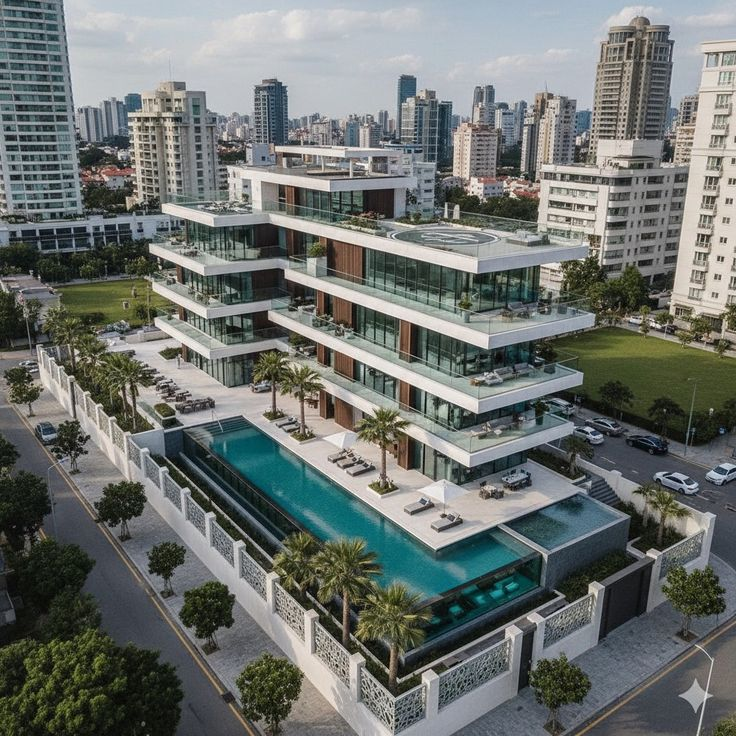
The Asia/Pacific region presents a dynamic and multifaceted picture of new housing construction. Rapid urbanization across many emerging economies is creating immense demand, amplified by significant government-backed housing efforts. These initiatives, designed to address housing shortages and improve living conditions, are a major catalyst for development. However, China stands as a prominent outlier, currently experiencing a slowdown in new construction. An oversupply of housing in smaller cities, coupled with the repercussions of a real estate bubble and more restrictive lending practices, has significantly dampened activity. This situation underscores the importance of prudent financial management and balanced development strategies within the Asia Pacific housing market.
Africa and the Middle East: Population Growth Fuels Demand
Across Africa and the Middle East, surging population growth and rapid urban expansion are creating a substantial and sustained demand for new housing. In response, many countries are witnessing the emergence of large-scale affordable housing initiatives. These programs are critical for accommodating burgeoning urban populations and providing access to adequate shelter, making them a cornerstone of future development in these regions. The focus here is squarely on addressing the housing needs in emerging economies.
The Existing Housing Stock: A Tale of Aging Infrastructure and Growing Needs
Beyond new construction, the condition and characteristics of the existing housing stock reveal critical disparities and present unique challenges and opportunities across the globe.
North America and Western Europe: The Drive for Modernization
In North America and Western Europe, a substantial portion of the existing housing stock was built prior to 1980. This aging inventory necessitates considerable investment in upgrades, particularly concerning energy efficiency, technological integration, and modern design principles. While detached single-family homes remain prevalent in North America, Western Europe is increasingly characterized by high-density rental housing. The demand for residential retrofitting services in these established markets is substantial and projected to grow.
Central and South America: Informality and Vulnerability
The housing stock in Central and South America often includes a significant proportion of informal or self-built dwellings. These homes frequently suffer from inadequate infrastructure and are highly vulnerable to the impacts of climate change. Similar issues, including widespread substandard dwellings, are also prevalent in parts of Africa and the Middle East, highlighting the urgent need for improvement and formalization.
Eastern Europe: Renovation Challenges and Demographic Shifts
Eastern Europe inherits a legacy of Soviet-era housing blocks, many of which require extensive renovation. Fragmented ownership structures and demographic decline further complicate these modernization efforts. Addressing the significant housing renovation needs in Eastern Europe is a complex but vital undertaking.
Asia/Pacific: A Spectrum of Development
The Asia/Pacific region showcases a stark contrast. Advanced economies boast modern, high-rise residential towers, while emerging economies grapple with informal settlements. Governments are actively intervening through targeted housing programs to formalize and upgrade this diverse housing stock, aiming to create more equitable and resilient communities.
Key Drivers Shaping the Future of Housing
Several overarching themes are profoundly influencing the direction of the global housing market, transcending regional boundaries:
Government Policy and Affordable Housing Initiatives: Across the globe, governments are increasingly recognizing housing as a fundamental pillar of social and economic stability. Policy interventions, including incentives, subsidies, and public-private partnerships, are being deployed to alleviate housing deficits and ensure access to safe and affordable shelter. The emphasis on affordable housing development is a universal trend, recognizing its critical role in poverty reduction and social mobility.
Climate Change and Sustainable Building Practices: Environmental concerns are fundamentally reshaping how and where homes are constructed. From flood-resilient housing designs in flood-prone areas of South America to heat-ready designs in the Middle East, adaptation to changing climatic conditions is paramount. Furthermore, the global push for energy-efficient homes is driving innovation in building materials, design, and construction techniques. This includes a growing demand for green building certifications and the use of sustainable and recycled materials.

Modular and Off-Site Construction: Efficiency in the Face of Shortages: In regions experiencing labor shortages, particularly in parts of Europe and Asia, modular and off-site construction methods are emerging as crucial solutions. These techniques offer significant advantages in managing project timelines, controlling costs, and ensuring consistent quality, helping to overcome the constraints imposed by a limited skilled workforce. This innovative approach is a key component of construction technology advancements.
Shifting Demographics: Adapting to Evolving Needs: Demographic shifts are a powerful force influencing housing demand and design. Aging populations in countries like Japan and Eastern Europe present unique needs for accessible and adaptable housing. Conversely, the rapid growth of young populations in African cities creates immense demand for new, affordable housing units. These evolving demographics necessitate a flexible and responsive approach to housing development, considering factors like senior housing design and family-oriented developments.
A Harmonized Vision for Global Housing
While the global housing market is characterized by divergence in its pace and structure, common threads bind its future trajectory. The imperative for resilient, efficient, and inclusive housing stock that can adeptly accommodate evolving social and environmental realities is a universal pursuit. As we look towards 2030 and beyond, the integration of smart home technologies, the development of circular economy principles in construction, and the continued focus on community-centric development will undoubtedly play pivotal roles.
The global residential construction outlook remains dynamic, with opportunities emerging from challenges. For investors, developers, policymakers, and future homeowners, a deep understanding of these interconnected trends – from the impact of government housing policies to the adoption of innovative building technologies and the critical need for sustainability – is essential for navigating this evolving landscape.
The demand for new housing is projected to grow steadily, with global figures indicating a robust increase from 53.0 million units in 2025 to an anticipated 60.7 million units by 2030, driven significantly by the persistent housing shortages in developing nations. This sustained demand underscores the critical importance of strategic planning and investment in the global housing sector.
Are you prepared to harness these opportunities and navigate the complexities of the modern housing market? Let’s connect to discuss how your organization can strategically position itself for success in this dynamic environment.