
Europe’s Premium Office Landscape: Navigating a Decade-Low Construction Slump and Skyrocketing Rents
As a seasoned professional deeply immersed in the commercial real estate sector for the past ten years, I’ve witnessed firsthand the cyclical nature of markets, the ebbs and flows of supply and demand, and the profound impact of global events on property values. Today, we stand at a pivotal moment in the European office market, one characterized by a dramatic decline in new construction, a phenomenon not seen to this extent since 2016. This scarcity is directly fueling a surge in prime office rents, creating a challenging yet intriguing environment for both tenants and developers. This European office supply crunch is reshaping how businesses approach their workspace strategies and is a critical trend to understand for anyone involved in corporate real estate.
The narrative of the European office market is one of stark contrasts. On one hand, we’ve seen a significant return to the office. After the widespread adoption of remote and hybrid work models during the COVID-19 pandemic, companies across Europe, from the bustling financial hubs of London and Frankfurt to the vibrant business districts of Paris and Amsterdam, are actively encouraging – and in many cases, mandating – a greater in-office presence. This shift, driven by a desire to foster collaboration, enhance company culture, and improve mentorship opportunities, has created a sustained demand for high-quality office spaces. In fact, research from leading property consultancies indicates a remarkable 20 consecutive quarters of rental growth for prime office properties across the continent. This consistent upward trajectory in rental income for top-tier spaces underscores the market’s underlying strength and the increasing value placed on premium environments.
However, this demand is colliding head-on with a severely constrained supply pipeline. The volume of new office space currently under construction throughout Europe has plummeted to its lowest point in a decade. At the close of 2025, the total square footage of new office developments was a mere 10.1 million square feet. This dramatic reduction is not a random occurrence; it’s a direct consequence of a confluence of economic pressures that have made development projects increasingly difficult and financially precarious. Soaring construction costs, fueled by material shortages and labor expenses, coupled with elevated financing costs due to higher interest rates, have made many previously viable projects economically unfeasible. Developers are facing a difficult equation: the cost of building is significantly higher, while the lead times for securing financing and permits are often extended, making speculative development a far riskier proposition.
This intricate dance between robust demand and scarce new supply is leading to what industry professionals often refer to as a “supply crunch” in the prime office sector. Companies that have been contemplating relocations or expansions are finding their options severely limited. The limited availability of desirable, modern office spaces, particularly those with the latest amenities, sustainability certifications, and strategic locations, is forcing many occupiers to reconsider their immediate real estate strategies. Instead of securing a new, state-of-the-art facility, a growing number are opting to remain in their existing premises, seeking to optimize their current footprint through refurbishment or by renegotiating lease terms. This “stay-put” phenomenon, driven by a lack of choice and the prohibitive cost of acquiring new space, is a significant factor contributing to the current market dynamics.
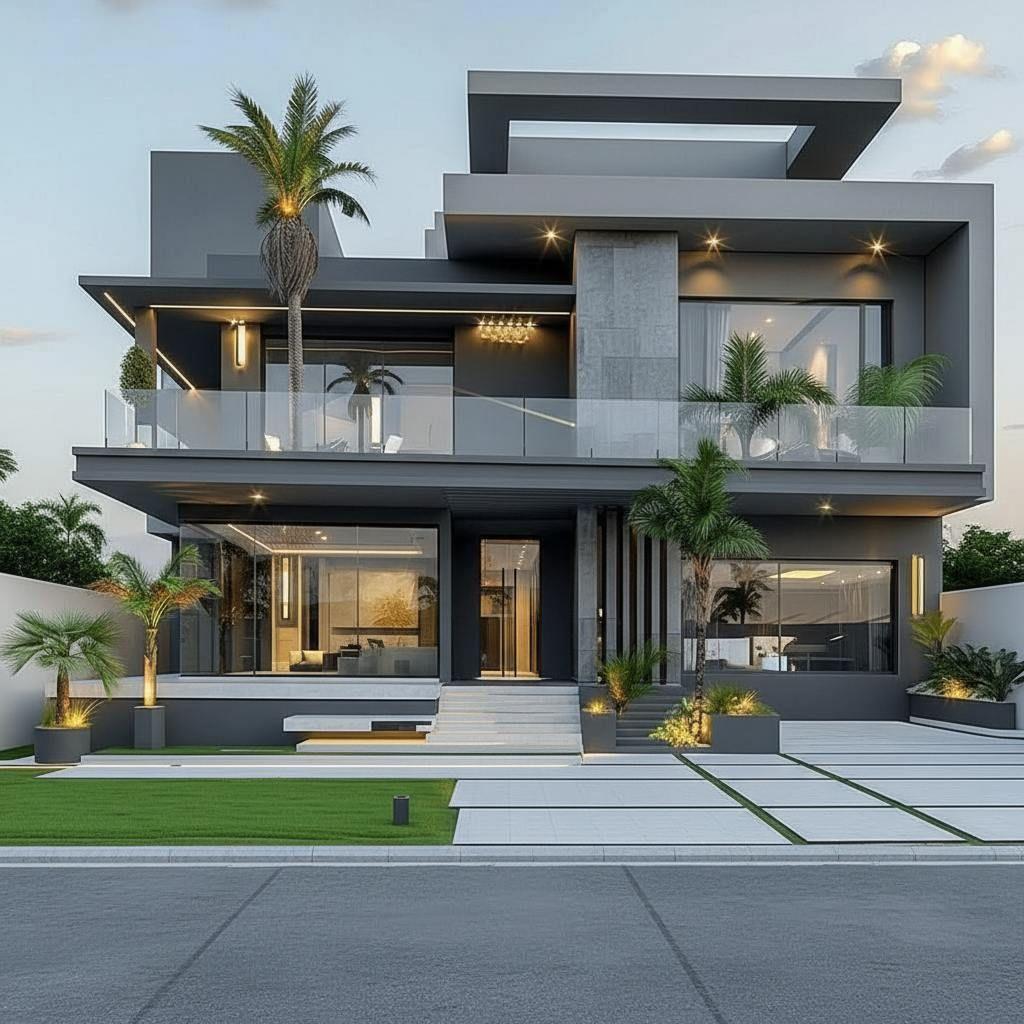
The implications of this office space shortage in Europe are far-reaching. For businesses, it means increased operational costs as prime rents continue their upward march. The financial districts of major European cities are now seeing rental rates for the most sought-after spaces reach unprecedented levels. For instance, in London’s City, a recent deal for a top-floor space in a newly completed tower commanded a reported £160 per square foot, a figure believed to be a record for the financial district. This demonstrates the premium that tenants are willing to pay for premium quality and a desirable location. This trend of rising rents for prime office buildings in Europe is not confined to London; similar pressures are being felt in other major European capitals.
Developers who have successfully navigated the challenging development landscape and brought new, high-quality office towers to market in the post-pandemic era are indeed reaping the rewards. Buildings that offer exceptional design, cutting-edge technology, robust sustainability features (such as LEED or BREEAM certifications), and extensive amenities are commanding significant attention and premium rents. These developers are benefiting from a dearth of competition, as the pipeline for similar new constructions remains thin. This flight to quality is a critical overarching theme in the current market. Occupiers are no longer solely focused on square footage; they are prioritizing buildings that can enhance employee well-being, attract top talent, and align with their corporate social responsibility goals. Research indicates that last year, a record 52% of all office space leased across the Europe, Middle East, and Africa (EMEA) region was of the highest quality. This “flight to quality” has directly contributed to a sharp decline in vacancy rates for premium spaces, which fell to a remarkable 3.5% at the end of 2025, a stark contrast to the overall vacancy rate of 9.8% across all office types. This divergence highlights a bifurcated market where premium assets are experiencing robust demand, while older or less desirable stock may face challenges.
Adding another layer of complexity and potential risk to this already intricate market is the ongoing geopolitical instability, particularly the conflict in the Middle East. While the direct impact on European office construction might not be immediate, the ripple effects are undeniable. Rising energy prices, often a consequence of such conflicts, can exacerbate inflationary pressures across economies. This can translate into higher operating costs for businesses, potentially impacting their ability to absorb escalating office rents, and could also lead to increased financing costs for new development projects. Furthermore, geopolitical uncertainty can dampen investor sentiment and lead to a more cautious approach towards large-scale capital investments, including those in the real estate sector. Property deals and financing arrangements can be postponed or re-evaluated as investors assess the broader economic and political landscape. While some developers, like Brookfield, express confidence in a gradual recovery and continue to invest in prime developments, the short-term volatility introduced by global conflicts cannot be ignored.
For companies seeking new office space in London or other major European cities, the current environment presents a significant strategic challenge. The demand for over 11 million square feet of new office space in London alone, which is approximately 20% above the long-term average, coupled with the limited supply, means that finding suitable premises will require considerable foresight and flexibility. Nearly a third of occupiers are projected to remain in their current locations due to a lack of viable alternatives or excessively high prices. This underscores the urgency for businesses to engage with their real estate needs proactively.
The investment landscape for European office construction, while showing some signs of recovery, remains subdued compared to historical averages. In 2025, investment in new office construction across Europe totalled approximately 52 billion euros. While this represented a 14% increase on the previous year, it still falls significantly short of the average investment seen over the preceding decade, which was roughly double this figure. This indicates that while there’s capital available for prime projects and well-located developments, the overall appetite for speculative construction has been tempered by the aforementioned economic headwinds and uncertainties.
Looking ahead, several key trends will continue to shape the European office market. The emphasis on sustainability and employee well-being will only intensify. Companies will increasingly seek buildings that offer excellent indoor air quality, access to natural light, flexible workspaces, and amenities that support a healthy work-life balance. The “flight to quality” is not a temporary trend but a fundamental shift in how businesses view their office as a strategic asset. Developers who can deliver on these fronts will be best positioned to succeed.

Furthermore, the integration of technology will become even more critical. Smart building technologies that enhance efficiency, security, and occupant experience will be highly valued. This includes features like intelligent climate control, occupancy sensors, and integrated building management systems. The office leasing trends in Europe are clearly pointing towards a more sophisticated and tenant-centric approach to property development and management.
For businesses navigating this complex market, particularly those actively searching for commercial office space for rent in Europe, a strategic and informed approach is paramount. Understanding the nuances of the office construction outlook Europe and the drivers behind rising rents for premium office availability is crucial for making sound real estate decisions. Given the current supply constraints and the increasing cost of space, early engagement with experienced real estate advisors who possess deep market knowledge and strong relationships with landlords and developers is highly recommended. Exploring flexible lease options, considering pre-leasing opportunities for upcoming developments, and evaluating the potential of refurbishing existing spaces to meet modern requirements are all viable strategies.
The current European office market presents both challenges and opportunities. The office real estate investment Europe landscape demands careful consideration of the long-term value proposition of prime assets. While the construction slump has created a tight supply market, it also signifies a maturing of the asset class, where quality, sustainability, and occupant experience are paramount.
For businesses actively seeking to secure their future workspace in this dynamic environment, the time to act is now. Engage with our team of seasoned commercial real estate experts. We offer unparalleled insights into the European office supply crunch and can guide you through the intricacies of securing the ideal space that aligns with your business objectives, employee needs, and budget. Let us help you navigate this evolving market and secure your competitive advantage.