Miami Real Estate: Decoding the Fundamentals of a Resilient Powerhouse for Savvy Investors

Having navigated the dynamic tides of the real estate sector for over a decade, I’ve witnessed markets surge, retreat, and redefine themselves. What’s clear from my vantage point is that not all booms are created equal, and discerning the foundational strength of a market from speculative froth is paramount. Today, our focus is squarely on Miami real estate, a market that, despite global whispers of overheating, continues to demonstrate remarkably robust fundamentals, distinguishing itself as a resilient powerhouse, not a fragile bubble.
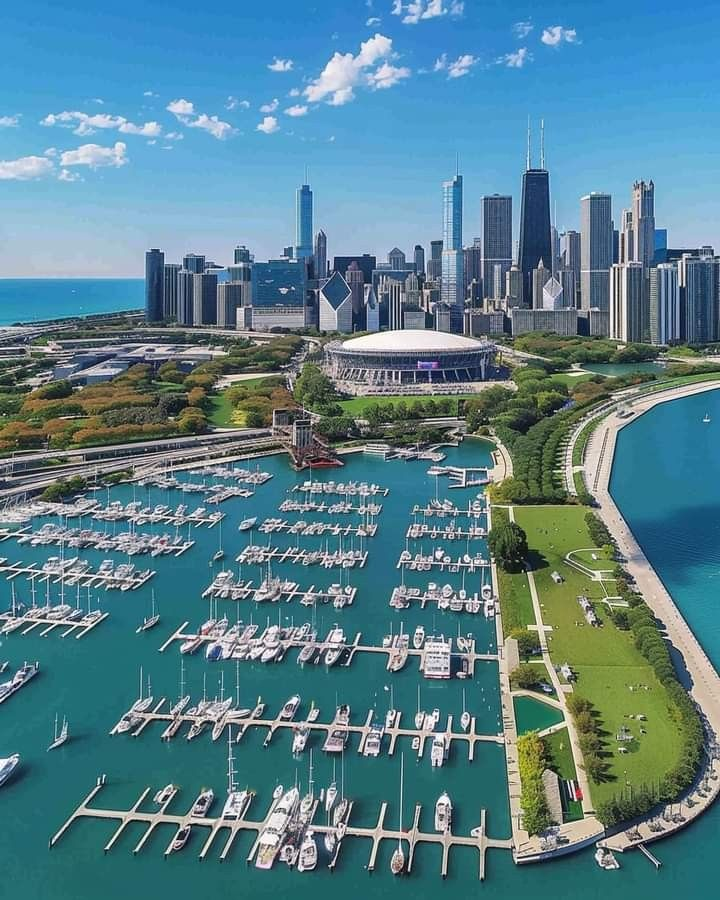
The narrative surrounding Miami real estate often oscillates between euphoria and caution. Yet, a meticulous examination of its underlying drivers reveals a landscape fundamentally different from past speculative cycles. We’re not just talking about beachfront luxury; we’re discussing a sophisticated, multi-faceted ecosystem attracting significant domestic and international capital. As we delve into 2026 and beyond, understanding these intricate layers is crucial for any serious investor considering a strategic allocation in South Florida.
The Unshakeable Pillars: Why Miami Real Estate Stands Apart
The strength of Miami real estate isn’t a fluke; it’s built upon several interlocking pillars that create an environment of sustained demand and limited risk exposure.
The Dominance of Cash Transactions: A Fortress Against Volatility
One of the most compelling arguments for Miami’s stability is the sheer volume of cash transactions. Data from MIAMI REALTORS for September 2025 indicated that 43% of all transactions in Miami were cash-based, a figure unparalleled in major U.S. markets. This isn’t merely an interesting statistic; it’s a fundamental de-risking mechanism. Bubbles, historically, are fueled by excessive leverage and readily available debt. When a significant portion of the market is transacted with cash, it inherently reduces sensitivity to interest rate fluctuations and the potential for widespread defaults during economic downturns.
For those engaging in luxury real estate investment or considering high-yield property investment, this cash-centric environment offers a buffer. Buyers aren’t reliant on tight credit markets or rapidly appreciating values to service burdensome mortgages. This translates into a market less susceptible to the cascading effects of financial shocks, providing a solid bedrock for Miami-Dade property trends and Florida real estate investment at large. It speaks volumes about the investor profile in Miami: often well-capitalized, liquid, and seeking long-term value, rather than quick flips driven by cheap credit. This also enhances the appeal for private bank real estate services, as wealth management clients seek stability for their substantial asset allocations.
Persistent Inventory Constraints: Supply-Demand Imbalance as a Price Driver
The law of supply and demand remains a powerful arbiter of value. In Miami real estate, chronic inventory shortages continue to exert upward pressure on prices. Total inventory in Miami-Dade in September 2025 was 16.6% lower than pre-pandemic levels in September 2019. This isn’t a temporary blip; it’s a structural imbalance exacerbated by a confluence of factors:
Geographic Limitations: As a coastal metropolis, Miami’s developable land is finite. The ocean and the Everglades naturally limit outward expansion.
Regulatory Hurdles: Permitting processes, zoning restrictions, and environmental considerations can extend development timelines and increase costs for new construction.
High Construction Costs: Inflation, labor shortages, and supply chain disruptions continue to elevate material and labor costs, making new projects more expensive to bring to market, particularly in the Miami luxury condos segment.
This scarcity creates a seller’s market, where demand consistently outstrips available units. For single-family homes, this has translated into a remarkable track record, with prices recording only one monthly decline over the past 13 years. This consistent appreciation, rooted in genuine scarcity, underscores the value proposition for property values Miami and reinforces the market’s stability. Savvy investors looking for capital appreciation property find Miami’s constrained supply a highly attractive feature.
Relentless Migration: A Tsunami of New Residents
Miami and the broader South Florida region are experiencing a demographic transformation. This migration is multi-faceted, encompassing:
Domestic Relocation: High-net-worth individuals and companies are fleeing high-tax states like New York, California, and Illinois, drawn by Florida’s favorable tax climate (no state income tax), business-friendly environment, and unparalleled lifestyle. The strategic allure of Miami for individuals seeking a more predictable fiscal and regulatory environment is palpable.
Corporate Relocations: Major financial institutions, tech companies, and multinational corporations are establishing significant footprints in Miami, bringing with them high-paying jobs and a skilled workforce. This influx of companies reinforces Miami’s burgeoning status as a financial hub Miami and a rapidly expanding tech hub Miami.
Retiree Influx: The perennial appeal of Florida’s warm climate, active lifestyle, and lower cost of living (relative to other major coastal cities) continues to attract a substantial wave of retiring baby boomers, further bolstering demand for both primary residences and rental property Miami.
International Appeal: Miami’s role as a gateway to Latin America and a global financial center ensures a steady stream of international buyers and investors. We’ll delve deeper into this critical aspect next.
This sustained influx of new residents translates directly into robust demand across all segments of the housing market Miami, from single-family homes to high-rise condominiums. Lightcast’s 2025 talent-attraction scorecard, ranking Miami-Fort Lauderdale-West Palm Beach third in the U.S. for qualified job growth, powerfully illustrates this sustained demographic shift and its profound impact on Miami economic growth.
Enduring International Investor Confidence: Global Capital’s Favorite Haven
Miami has always been an international city, but its appeal to global capital has reached new heights. International investors, particularly from Latin America, Europe, and increasingly Asia, view Miami real estate as a stable, secure asset class within a global context. Alfredo Pujol of Compass Real Estate highlights that Latin American investors alone represented 49% of the market in recent years, demonstrating their significant influence.
These international buyers are often seeking:
Wealth Preservation: In an uncertain global economic landscape, hard assets in a stable U.S. market offer a safe haven.
Diversification: Adding Miami real estate to a global real estate portfolio diversification strategy.
Lifestyle & Second Homes: The allure of Miami’s beaches, culture, and vibrant social scene remains a powerful draw.
Investment Migration Programs: For some, property acquisition can be part of broader investment migration programs or simply a strategic move for family and business.
This consistent stream of foreign capital, often in cash, insulates Miami real estate from domestic economic fluctuations to a significant degree. It underscores Miami’s status as a premier global destination for wealth, providing a strong baseline for international real estate investors.
Debunking the Bubble Myth: A Granular Look at Market Indicators
The term “bubble risk” is often thrown around casually, sometimes without a deep understanding of market specifics. While a recent UBS report did place Miami high on its global bubble risk ranking, industry experts with extensive experience in Miami real estate market analysis strongly argue against this blanket assessment.
Ana Bozovic, founder of Analytics Miami and a respected member of the Miami Association of Realtors, astutely points out: “Bubbles are fueled by debt, not by cash.” This is a critical distinction often missed by generalized macroeconomic models. The UBS report’s “price-to-income” indicator, for instance, struggles to accurately reflect Miami’s unique profile. A significant portion of buyers, both domestic and international, derive their income from sources outside Florida, or even outside the U.S. Their purchasing power is not solely tied to local income levels, rendering traditional affordability metrics less relevant.
Consider the luxury segment, a significant driver of Miami real estate values. More than 70% of apartment sales above one million dollars in recent years were cash transactions. This indicates exceptionally high capital levels underpinning premium property Miami. Distressed sales, a hallmark of a troubled market, account for barely 1% of total transactions – a far cry from the widespread foreclosures seen in previous downturns.
September 2025 was a record-setting month for Miami real estate, with total sales rising 5% year-over-year. The premium segment saw transactions of properties valued over one million dollars surge by 20%, with total sales volume increasing by an impressive 11%. These aren’t the metrics of a market teetering on the brink; they are indicative of robust and sustained growth, particularly within the highly liquid luxury tier.
J.C. de Ona, Regional President for Southeast Florida at Centennial Bank, articulates this perspective well: “I believe Miami has matured enormously and, looking ahead, it will continue on that path. It has always been very attractive for Latin America, and the luxury market will remain where it is.” This sentiment is echoed by many who understand the deep-seated structural changes that have occurred in the Miami real estate market.
While a modest 5-10% correction might occur in specific sub-segments or price points – a natural recalibration in any healthy market – these are “not bubble levels,” as Alfredo Pujol of Compass Real Estate asserts. Such adjustments are often a healthy sign of market equilibrium, allowing for sustainable growth rather than explosive, unsustainable appreciation. For investors seeking asset protection real estate, Miami’s fundamentals offer a persuasive case.
Miami’s Evolution: A Global Financial and Tech Nexus
The evolution of Miami goes far beyond its image as a glamorous vacation spot. Over the last decade, it has strategically positioned itself as a legitimate financial hub Miami and an emerging tech hub Miami, attracting a new wave of businesses, talent, and capital.
Major corporations like Citadel, Apollo Global Management, and various venture capital firms have established or significantly expanded their presence in South Florida. This corporate migration is creating a dense ecosystem of high-paying jobs, driving demand for both commercial and residential Miami real estate. The ripple effect is profound: it attracts more skilled professionals, fosters entrepreneurial activity, and diversifies the local economy beyond tourism and traditional services.
The fiscal environment in Florida, devoid of state income tax, is a powerful magnet for high-net-worth individuals and businesses alike. The potential for new capital from NYC residents, prompted by political shifts or simply a desire for a more favorable tax structure, reinforces Miami’s appeal. This ongoing ‘brain drain’ from higher-tax states directly contributes to the robust demand and sustained growth in Miami real estate.
This transformation into a legitimate economic powerhouse solidifies the long-term prospects for commercial property investment Miami and enhances the overall stability of the residential market. As more companies move their employees to Florida, the city is no longer just a vacation destination; it’s a place where “all business is moving here,” as Pujol emphasizes.
The Supply Squeeze: A National Challenge with Local Impact
The supply-demand imbalance in Miami real estate is not an isolated phenomenon; it’s a micro-representation of a macro trend across the United States. A recent JP Morgan Private Bank report, “Shortage in Supply: Understanding the Housing Market,” estimates a national accumulated housing shortage of roughly 2.8 million units, predicting it could take nearly a decade to mitigate.
This national deficit exacerbates local pressures in high-demand markets like Miami. Even if demand moderates slightly, as long as this structural housing shortage persists, prices are likely to remain elevated. This dynamic presents an intriguing opportunity for investors, particularly in the rental segment.
For those facing a challenging purchase environment, rental property Miami emerges as an attractive and robust investment opportunity Miami. The consistent influx of new residents, coupled with the difficulty of acquiring ownership for some, ensures strong tenant demand and healthy rental yields. This makes single-family homes and multi-family units an essential consideration for a well-rounded real estate portfolio diversification strategy, especially for investors looking into alternative investments Miami.
Developers also see opportunities. The shortage incentivizes new projects, leading to potential developer partnerships Miami and various real estate development opportunities. However, navigating the complex permitting and construction landscape requires expertise and significant capital.
Looking Ahead to 2026 and Beyond: Trends Shaping the Future
As we project beyond 2026, several key trends will continue to shape the trajectory of Miami real estate:
Interest Rate Outlook and Market Response:
The potential for interest rate stabilization or even modest declines could significantly impact the market. While Miami’s cash-heavy market is less sensitive, lower rates could still stimulate demand from those reliant on financing, particularly first-time homebuyers or those moving up the property ladder. This could boost sales for homebuilders and further tighten inventory in certain segments. Conversely, sustained higher rates might temper the pace of appreciation, but given the existing fundamentals, a significant downturn is unlikely.
Sustainability and Climate Resilience:
As a coastal city, Miami is at the forefront of climate discussions. Investments in resilient infrastructure, advanced building codes, and sustainable development practices will become increasingly critical. Properties incorporating hurricane-resistant features, elevated foundations, and smart water management systems will command a premium and attract high-net-worth real estate strategies focused on long-term value and risk mitigation. This isn’t just an environmental concern; it’s an economic imperative that will shape future property values Miami.
Technological Integration in Property:
From smart home technologies to AI-driven property management and blockchain-based transactions, technology will increasingly streamline and enhance the real estate experience. Properties that integrate cutting-edge smart features, energy efficiency, and high-speed connectivity will appeal to a tech-savvy demographic, particularly those moving from established tech hubs.
Demographic Shifts and Evolving Lifestyle Demands:
The ongoing migration of diverse populations—from young tech professionals to affluent retirees—will continue to shape demand. The desire for walkable communities, access to top-tier amenities, cultural experiences, and vibrant urban cores will drive development and investment in mixed-use projects and specific neighborhoods. The demand for flexible living spaces, home offices, and outdoor amenities will also persist, a legacy of evolving work-life patterns.
Infrastructure Investments and Urban Planning:
Continued investment in transportation infrastructure (e.g., Brightline rail expansion), public spaces, and urban planning initiatives will enhance connectivity and livability across South Florida. These improvements will further cement Miami’s appeal as a world-class city, supporting long-term property value appreciation and attracting further qualified opportunity zone investments Florida in designated areas.
Conclusion: Miami Real Estate – A Masterclass in Market Resilience
In summary, the narrative around Miami real estate is one of profound transformation and undeniable strength. Far from exhibiting the characteristics of a speculative bubble, the market is underpinned by solid fundamentals: an exceptional proportion of cash buyers, critically limited inventory, an unrelenting influx of domestic and international migration, and its growing stature as a global financial and tech hub. These are not transient trends but deeply embedded structural advantages that position Miami for sustained growth and resilience.
My decade of experience in this industry has taught me that true value lies in understanding the ‘why’ behind the numbers. In Miami, the ‘why’ is clear: it’s a confluence of strategic geographic advantages, a favorable economic climate, and a magnetic international appeal. For investors seeking long-term value, Miami real estate offers compelling opportunities for wealth management real estate and portfolio diversification, particularly for those looking at premium property Miami.
The journey ahead promises continued evolution, shaped by new technologies, demographic shifts, and a commitment to sustainable growth. As we navigate these dynamics, Miami stands as a beacon of stability and opportunity in the global property landscape.
Ready to explore the unparalleled opportunities within the South Florida real estate market? Our team, with over a decade of expertise in navigating these complex dynamics, is here to provide bespoke insights and strategic guidance. Contact us today to discuss how Miami real estate can play a pivotal role in your sophisticated investment portfolio, whether you’re seeking luxury residences, high-yield rental properties, or strategic commercial ventures.