Decoding Miami Real Estate: Why Fundamentals Outweigh Fleeting Frights in 2026 and Beyond

Having spent over a decade navigating the intricate currents of the South Florida property market, I’ve witnessed cycles that have shaped its identity, from the vibrant expansion to periods of cautious recalibration. Today, as we stand on the cusp of 2026, the discourse surrounding Miami real estate is more nuanced than ever. While some external reports occasionally trigger whispers of a “bubble,” my deep dive into the underlying economic and demographic drivers reveals a story of remarkable resilience, robust fundamentals, and strategic growth. This isn’t just another boom; it’s a testament to Miami’s maturation into a global financial and cultural nexus, underpinned by a unique blend of capital inflow, demand-supply imbalances, and a fundamentally attractive lifestyle proposition.
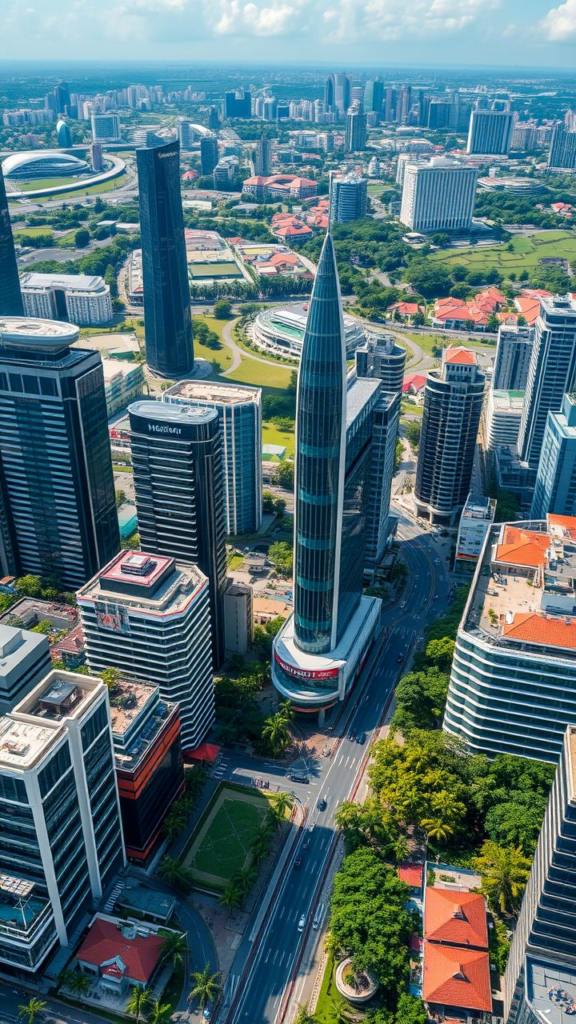
The perception of risk often arises from applying generalized metrics to a truly exceptional market. Traditional price-to-income ratios, for instance, frequently fail to capture the reality of a global city where a significant portion of buyers derive their income from diverse, often international, sources. What I consistently observe on the ground, backed by granular data, points to a market sustained by genuine demand and formidable financial strength, rather than speculative leverage. As an industry expert, I see clear indicators that distinguish Miami real estate from markets prone to instability, positioning it as a compelling long-term investment destination.
The Unshakeable Pillars: Cash, Scarcity, and Influx
The bedrock of Miami’s real estate prowess rests on several interconnected pillars, each contributing to its stability and continued appreciation. Understanding these is crucial for anyone considering Miami property investment, whether for residential enjoyment or strategic portfolio diversification.
The Cash-Fueled Engine: A Fortress Against Volatility
Perhaps the most defining characteristic of the Miami real estate market, and one that consistently differentiates it, is the overwhelming prevalence of cash transactions. Year after year, Miami-Dade County consistently registers one of the highest proportions of all-cash sales in the nation—often exceeding 40% and, in the premium segments, soaring past 70%. From my vantage point, this isn’t merely a statistic; it’s a structural safeguard. Bubbles, as we’ve learned from historical patterns, are predominantly fueled by speculative debt. When buyers are transacting with cash, their exposure to fluctuating interest rates, mortgage defaults, and economic downturns is drastically minimized.
This influx of capital comes from multiple fronts. High-net-worth individuals, both domestic and international, are increasingly choosing Miami luxury condos and sprawling estates as primary residences or significant investments. For these sophisticated investors, the decision to purchase in cash is often a strategic component of their broader wealth management real estate Miami strategies, seeking stability and capital preservation in a volatile global economy. The sheer volume of readily available capital ensures that even if there were a market correction, the downside risk would be significantly cushioned by a robust ownership base with minimal leverage. This high percentage of cash buyers also translates to exceptionally low distressed sales figures, further insulating the market from rapid depreciation.
The Immutable Equation: Scarcity and Supply-Side Dynamics
Another non-negotiable factor driving Miami real estate values is the persistent imbalance between supply and demand. Geographically constrained by the Everglades to the west and the Atlantic Ocean to the east, buildable land in Miami-Dade is finite. This natural limitation is compounded by increasingly complex zoning regulations, rising construction costs, and labor shortages, which collectively slow the pace of new development.
Despite a visible skyline dotted with cranes, the overall inventory levels, particularly for single-family homes, remain well below pre-pandemic figures. We’re not simply talking about a temporary dip; this is a long-term structural shortage. While new pre-construction condos Miami are coming online, they often cater to specific luxury or niche markets and don’t fully alleviate the broad demand pressures across all price points. What this means for investors is that the intrinsic value of existing properties, particularly those with desirable locations or unique attributes, is likely to be sustained, if not enhanced, by this underlying scarcity. Developers targeting this market often require specialized developer financing Miami expertise to navigate the complex landscape.
The Migration Magnet: A Confluence of Domestic and Global Influx
South Florida has truly become a magnet for both domestic and international migration, fueling an insatiable appetite for Miami real estate. On the domestic front, the “Great Reshuffling” catalyzed by remote work, coupled with Florida’s business-friendly environment and favorable tax policies (no state income tax), has driven a significant exodus from high-tax, high-cost-of-living states, notably New York and California. Professionals, entrepreneurs, and entire corporations are relocating their operations and employees, seeking an improved quality of life, robust job growth, and a predictable regulatory environment. This is evident in Lightcast’s 2025 talent-attraction scorecard, which ranked the Miami-Fort Lauderdale-West Palm Beach corridor as third in the U.S. for qualified job growth. This trend isn’t slowing; it’s solidifying South Florida real estate as a prime destination for talent and capital.
Simultaneously, Miami continues to be a preferred gateway for international investors, particularly from Latin America, who consistently represent a substantial portion of foreign property purchasers. Their motivations are multifaceted: economic stability, a strong U.S. dollar, political safe-haven appeal, and Miami’s cosmopolitan culture that seamlessly blends global influences. This persistent, multi-source migration creates a perpetual undercurrent of demand, absorbing new inventory and bolstering property values Miami.
Miami’s Maturation: Beyond Sun and Sand
The narrative of Miami as merely a vacation destination or a retirement haven is increasingly outdated. Over the past decade, Miami has undergone a profound metamorphosis, evolving into a sophisticated global hub for finance, technology, and innovation. This transformation is not anecdotal; it’s tangible, reflected in the proliferation of hedge funds, private equity firms, venture capital outfits, and tech startups establishing significant presences in the city.
The “Wall Street South” phenomenon is real. Major financial institutions and investment groups are actively relocating key divisions, executives, and talent to Miami. This strategic shift is generating high-paying jobs and attracting a new demographic of affluent residents who require high-quality housing and sophisticated services. Similarly, the burgeoning tech scene, often dubbed “Silicon Beach,” is drawing innovators and entrepreneurs, diversifying the local economy beyond traditional tourism and trade. These developments contribute to sustained demand for Miami investment properties and drive long-term economic stability. For high-net-worth real estate Miami clients, this signifies a market with enduring potential.
Debunking the “Bubble” Narrative: A Deep Dive into Market Nuances
Despite the overwhelming evidence of solid fundamentals, the specter of a “real estate bubble” occasionally surfaces, often fueled by generalized reports that fail to grasp Miami’s unique market dynamics. A prominent example is the UBS report that once placed Miami high on a global bubble risk index. While such reports serve a purpose in broader market analysis, my experience tells me they often misinterpret the specific drivers of cities like Miami.
The primary point of contention typically revolves around the price-to-income ratio. This metric, while useful in homogenous markets where local income directly correlates with housing affordability, becomes highly distorted in a global city like Miami. Here, a significant portion of buyers, particularly in the premium segments, are not earning their income locally. They are international investors, wealthy retirees drawing from pensions and investments elsewhere, or highly compensated executives relocated from other major U.S. cities, benefiting from Florida’s tax advantages.
To view Miami real estate solely through the lens of local income is to miss the fundamental truth: it’s a repository of global wealth. The fact that distressed sales account for a negligible percentage of total transactions, coupled with the high volume of cash purchases, indicates a market where owners are not overleveraged. They are in a strong financial position, reducing the likelihood of forced sales that typically characterize a bursting bubble. Therefore, when experts like Ana Bozovic rightly point out that bubbles are fueled by debt, not cash, they are articulating a critical distinction that applies perfectly to the Miami housing market trends. What some perceive as overvaluation, I see as a reflection of global demand intersecting with limited supply and a superior quality of life.
While a minor market correction of 5-10% is always a possibility in any dynamic economy, it’s a healthy rebalancing, not a catastrophic crash. Such adjustments are a natural part of market cycles and provide opportunities for new property portfolio management Florida strategies. This kind of re-calibration is vastly different from a bubble burst, which implies widespread defaults and significant, sudden devaluation.
The Investment Landscape: Strategic Opportunities in 2026
Looking ahead to 2026 and beyond, the Miami real estate landscape continues to present compelling opportunities for savvy investors, ranging from individual purchasers to institutional funds seeking robust returns.
Resilience in the Luxury Market
The luxury segment of Miami real estate remains exceptionally robust. With more than 70% of premium apartment sales (above $1 million) often conducted in cash, this market shows an extraordinary level of financial insulation. Properties like Brickell condos for sale or South Beach luxury properties continue to attract discerning buyers drawn to world-class amenities, stunning waterfront views, and access to a vibrant urban core. This demographic is less sensitive to interest rate fluctuations or minor economic shifts, ensuring sustained demand for high-end offerings. For investors eyeing waterfront property investment Miami, the long-term appreciation prospects remain strong, driven by scarcity and consistent demand from global elites.
The Rental Market: A Golden Opportunity
Even as purchase prices remain elevated, the rental market in Miami offers an attractive alternative for investment properties Miami. The national housing shortage, estimated at approximately 2.8 million units by reports from institutions like JP Morgan Private Bank, means that even if demand for purchases moderates, rental prices will likely remain elevated. This dynamic creates a favorable environment for investors in the Miami rental market, offering consistent cash flow and potential long-term capital appreciation.
The influx of new residents, particularly professionals and families who might not be ready to purchase immediately, sustains strong demand for quality rental units. This includes apartments, townhomes, and single-family homes across various neighborhoods, from the bustling Downtown Miami apartments to family-friendly areas in Coral Gables real estate investment. Diversifying into rental properties can be a prudent strategy, capitalizing on an enduring need for housing.
Emerging Trends and 2026 Forecasts
As we progress into 2026, several trends will shape the trajectory of Miami real estate:
Interest Rate Influence: While cash buyers dominate, a potential easing of interest rates could galvanize the conventional mortgage market, providing an additional layer of demand, particularly for homebuilders. This could stimulate new construction projects, albeit within the constraints of limited land.
Infrastructure & Connectivity: Ongoing investments in infrastructure, public transportation, and smart city technologies will continue to enhance Miami’s livability and connectivity, making areas like Coconut Grove real estate trends even more attractive.
ESG Integration: A growing focus on ESG (Environmental, Social, and Governance) factors will influence development. Sustainable building practices, resilient infrastructure against climate change, and community-focused developments will become increasingly important, affecting both property values and real estate development Miami.
Specialized Districts: The continued growth of specialized districts like Wynwood for arts and innovation, or the burgeoning medical research corridors, will create micro-markets with unique investment appeal and specific commercial real estate Miami opportunities.
For those seeking to maximize their portfolio’s potential, exploring tax-efficient real estate investment Florida strategies, especially with the state’s advantageous tax structure, can significantly enhance net returns. This includes understanding property tax nuances and potential deductions. Furthermore, sophisticated investors might consider real estate private equity Miami funds that offer diversified exposure to multiple asset classes within the region.
Conclusion: A City on a Trajectory of Enduring Growth
From my vantage point, the narrative of Miami’s real estate market in 2026 and beyond is not one of impending doom but of enduring strength. The city’s unique blend of significant cash transactions, severe inventory constraints, relentless migration, and its emergence as a global economic powerhouse fundamentally distinguishes it from markets susceptible to speculative bubbles. Miami is not merely growing; it is maturing, establishing itself as a resilient, diversified, and highly attractive destination for both residents and international real estate investors Miami.
The continued influx of high-net-worth individuals, businesses, and talent underscores a deep and sustained demand that far outstrips available supply. While prudence is always advised in any investment, the fundamentals supporting Miami real estate are robust, pointing towards continued stability and long-term appreciation. This isn’t a market to fear, but one to understand and strategically engage with.
Are you ready to explore the compelling opportunities within the dynamic Miami real estate market? Whether you’re considering a luxury residential purchase, a strategic investment property, or seeking expert guidance on portfolio diversification, connect with us. Let my decade of expertise guide your next move in South Florida’s thriving property landscape, ensuring your investment aligns with your long-term goals.